Direct answer
A receptor-level comparison of PT-141, melanotan II and melanocortin signaling, with controls for pathway selectivity and pigment-related readouts.
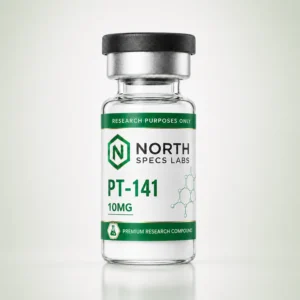
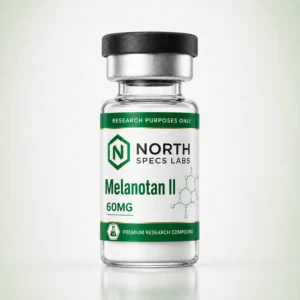
- PT-141, also known as bremelanotide, and melanotan II are related cyclic melanocortin peptides but should be treated as distinct ligands.
- Melanocortin receptor subtypes differ in tissue distribution and signaling, so selectivity requires a matched receptor panel.
- Clinical or regulatory status is product, indication and jurisdiction specific and does not transfer to a research material.
How are the peptides related?
Melanotan II is a cyclic analog developed from alpha-melanocyte-stimulating hormone research. PT-141, or bremelanotide, is a related cyclic peptide lacking the C-terminal amide group of melanotan II. That structural relationship can produce overlapping melanocortin receptor activity, but the ligands differ and their findings should not be merged without direct comparison.
MC1R is strongly associated with pigment biology, while other melanocortin receptors contribute to neural, endocrine and autonomic pathways. Expression varies by model.
How is selectivity measured?
Use matched cell systems expressing one receptor subtype at a time, plus receptor-null cells. Compare full concentration-response curves for the same proximal endpoint and confirm with an orthogonal signal where bias is proposed. Receptor expression should be quantified because high reserve can exaggerate apparent potency and hide partial agonism.
Binding, cyclic AMP and downstream phenotypes answer different questions. A pigment readout cannot define selectivity across neural receptors.
Which controls improve comparison?
Confirm sequence, cyclization, termini, content and purity for both materials. Prepare them in the same matrix and verify low-concentration recovery. Include a reference ligand for each receptor, selective antagonists where validated and viability or nonspecific-signal controls.
If comparing literature, separate studies by species, receptor construct, assay technology and endpoint. A single rank order assembled from incompatible systems is not a measured selectivity profile.
What is the safe evidence boundary?
Health Canada warns about unauthorized Melanotan products sold online. Authorization in another jurisdiction for a specific finished drug does not authorize a Canadian research material or support personal use. North Specs links these materials only for qualified laboratory investigation and directs authorization questions to official Health Canada databases.
Continue through the evidence
Methods and quality. Peptide Dose-Response Curves: EC50, Emax and Assay Design, Peptide Amidation, Acetylation and Other Terminal Modifications, How to Read a Peptide Certificate of Analysis, HPLC Peptide Purity: How to Read a Chromatogram Without Overclaiming and LC-MS for Peptide Identity: Molecular Mass, Charge States and Sequence Evidence.
Connected peptide briefings. Melanocortin Peptides: Receptor Subtypes, Selectivity and the PT-141 Story, Research Peptides in Canada: A Laboratory Procurement Guide, Health Canada, Peptides and Research Use Only: What the 2026 Guidance Means, Shipping and Storing Research Peptides Across Canada, Ipamorelin and Hexarelin: Ghrelin Receptor Selectivity in Research, BPC-157 Research: Evidence Gaps and Replication-First Study Design and CJC-1295 With DAC: Albumin Binding and Growth Hormone Axis Research.
Sources and further literature
- Bremelanotide clinical pharmacology researchHuman research record for compound-specific historical context.
- Health Canada: Think twice before injecting peptides bought onlineApril 2026 federal warning about unauthorized peptide products.
- Health Canada Drug Product DatabaseOfficial database for checking authorization status in Canada.
North Specs separates scientific education from product claims. Review primary literature, current regulations and institutional requirements before designing laboratory work.